Land Rover Defender 2026
Starting from 237,600


Land Rover Defender 2026 key specifications
 Engine
2 L - 5 L
|
 Horsepower
300 BHP - 517 BHP
|
 Transmission
Automatic
|
 Fuel Type
Hybrid & Petrol
|
 Mileage
6 Km/L - 9 Km/L
|
 Seating capacity
5 - 7 seater
|
|
Transmission
Automatic
|
Seating capacity
5 - 7 seater
|
Land Rover Defender 2026 overview
Land Rover Defender 2026 price in UAE
Land Rover Defender price in UAE starts from 237,600. Prices of Land Rover Defender trims can vary from dealership to dealership based on factors such as discounts, warranty, and additional features.
| Defender Trims | Prices |
|---|---|
| Defender 130 SE P400 X Dynamic (7 Seater) | TBD |
| Defender 90 SE (P300) | 237,600 |
| Defender 90 SE Base (P300) | 254,940 |
| Defender 110 HSE (P400) | 302,600 |
| Defender 90 X (P400) | 377,200 |
| Defender 110 X (P400) | 387,700 |
| Defender 90 HSE (P400) | 572,000 |
| Defender 90 V8 (P525) | 591,885 |
| Defender 110 V8 Carpathian Edition (P525) | 635,775 |
| Defender 110 V8 (P525) | 677,390 |
Used Land Rover Defender price by year
Land Rover Defender price by location
| Land Rover Defender in UAE | Average starting price |
|---|---|
| Land Rover Defender in Dubai | 232,999 |
| Land Rover Defender in Sharjah | 195,000 |
Land Rover Defender 2026 pros and cons
- Unparalleled Off-Roading
- Upgraded Tech Features
- Refined Interior Design
- High Maintenance Costs
- Less Fuel Efficient
- Expensive Spare Parts
Land Rover Defender 2026 specifications
View all Defender specs| Price | 237,600 - 677,390 |
| Body Type | SUV |
| Transmission | Automatic |
| Fuel Type | Hybrid & Petrol |
| Horsepower | 300 BHP - 517 BHP |
| Torque | 400 Nm - 625 Nm |
| Engine capacity | 2 L - 5 L |
| Mileage | 6 Km/L - 9 Km/L |
| Fuel Tank Capacity | 89 L - 90 L |
| Cylinders | 4, 6 & 8 Cylinders |
| Length | 4583 mm - 5358 mm |
| Width | 2008 mm - 2009 mm |
| Height | 1965 mm - 1970 mm |
| Seating capacity | 5 - 7 seater |
| Boot Space | 397 L |
| Acceleration (0-100 KM/H) | 5.2 sec - 8 sec |
| Top Speed | 191 km/h - 240 km/h |
| Drive type | All Wheel Drive |
Share your car story.
Your journey behind the wheel deserves to be shared. It could guide someone who needs it.
Write a review
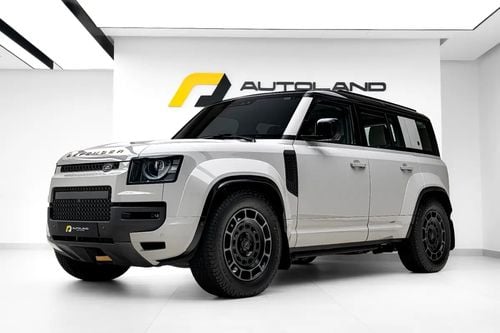
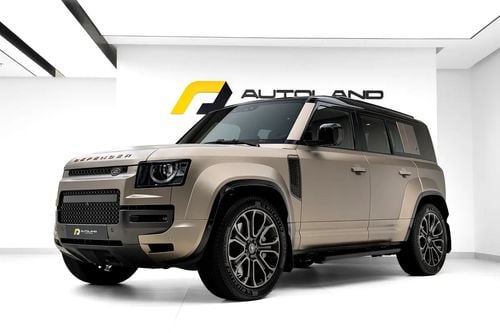
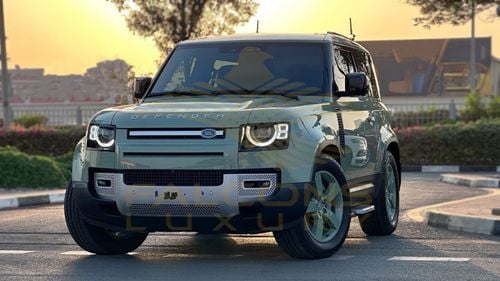
Land Rover Defender for sale
View all Land Rover Defender cars for sale-
 Premium
 -
 Premium
 -
-
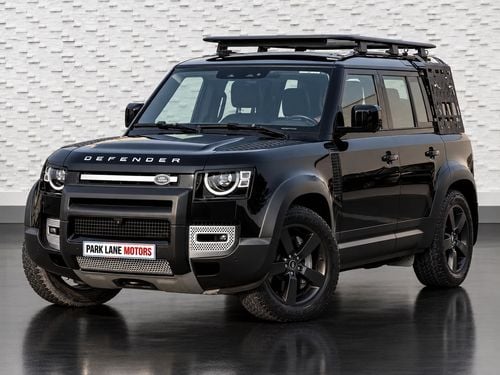
Land Rover Defender car comparisons with similar cars
Compare cars- Land Rover Defender vs BMW X5VS
Land Rover Defender
BMW X5
- Land Rover Defender vs Ford BroncoVS
Land Rover Defender
Ford Bronco
- Land Rover Defender vs Ford ExplorerVS
Land Rover Defender
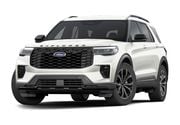
Ford Explorer
- Land Rover Defender vs Porsche CayenneVS
Land Rover Defender
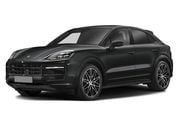
Porsche Cayenne
- Land Rover Defender vs Toyota FortunerVS
Land Rover Defender
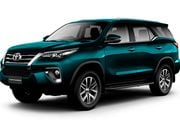
Toyota Fortuner
- Land Rover Defender vs Toyota PradoVS
Land Rover Defender
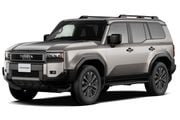
Toyota Prado
- Lexus LX600 vs Land Rover DefenderVS
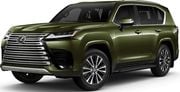
Lexus LX600
Land Rover Defender
- Jeep Gladiator vs Land Rover DefenderVS
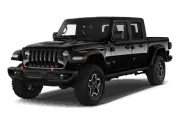
Jeep Gladiator
Land Rover Defender
- BMW X7 vs Land Rover DefenderVS
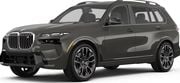
BMW X7
Land Rover Defender
- Toyota Land Cruiser vs Land Rover DefenderVS
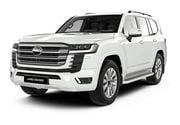
Toyota Land Cruiser
Land Rover Defender
- Toyota FJ Cruiser vs Land Rover DefenderVS
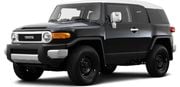
Toyota FJ Cruiser
Land Rover Defender
- Suzuki Jimny vs Land Rover DefenderVS
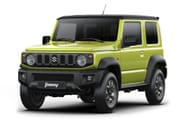
Suzuki Jimny
Land Rover Defender
- Nissan Patrol vs Land Rover DefenderVS
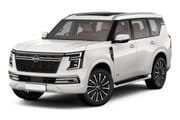
Nissan Patrol
Land Rover Defender
- Jetour T2 vs Land Rover DefenderVS
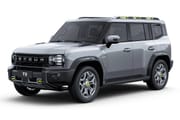
Jetour T2
Land Rover Defender
- ROX 01 vs Land Rover DefenderVS

ROX 01
Land Rover Defender

Land Rover Defender videos
-

Classic Or Modern - Land Rover 110 vs. Land Rover Defender
-

This Defender Pickup Sounds Like a Tank
-

Land Rover Defender – Off-Road Beast Meets Luxury SUV
-
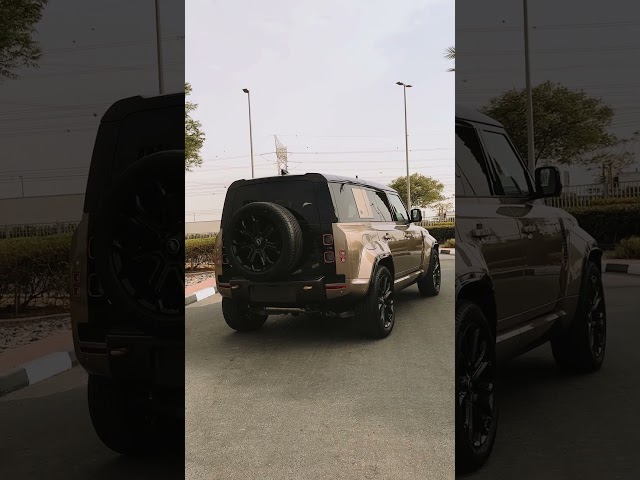
Land Rover Defender Octa – The Ultimate Off-Road Beast
-

Land Rover Defender – The Ultimate Off-Road Adventure SUV
-
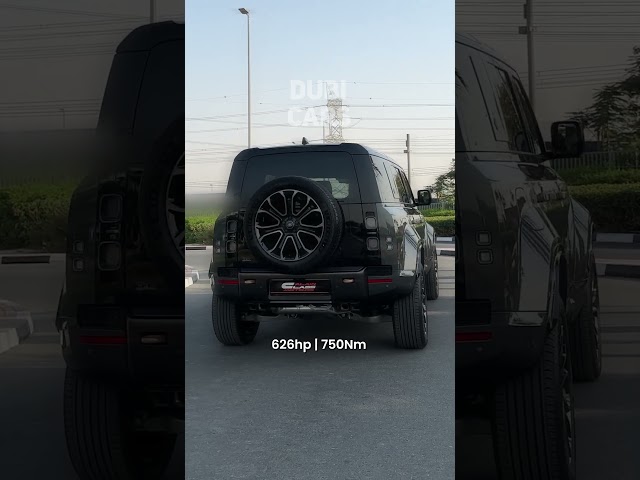
Land Rover Defender Octa – Rugged Luxury Redefined
-
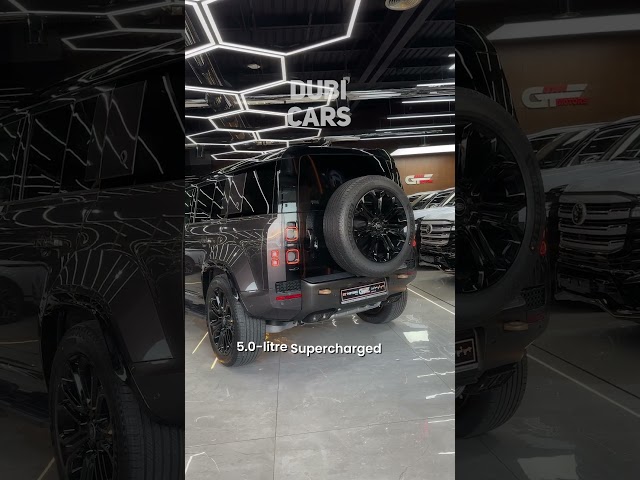
Land Rover Defender – The Off-Road King!
-
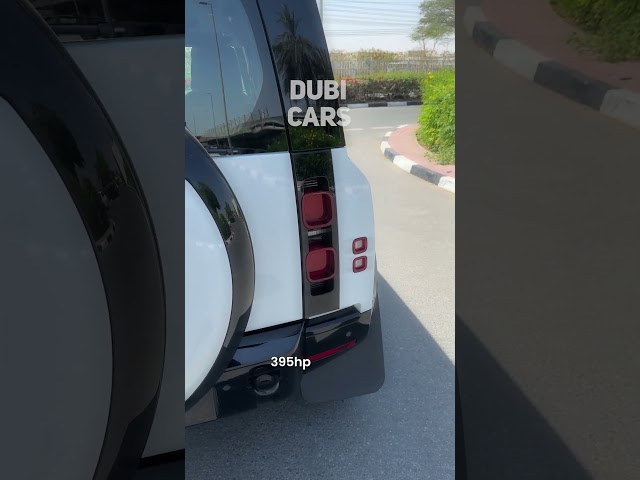
Land Rover Defender – Rugged, Refined & Ready for Anything!
-

Land Rover Defender X – The Perfect Blend of Luxury & Adventure!
-

Discover the 2023 Land Rover Defender's AMAZING Features!
-

Land Rover Defender ASMR Sounds
-

Land Rover Defender - Ready For Adventure SUV
-

Land Rover Defender: The Exciting Features
-

Land Rover Defender ASMR
-

2005 Land Rover Defender Kahn Edition at DubiCars
-

Land Rover Defender - ASMR
Land Rover Defender 2026 alternatives
-
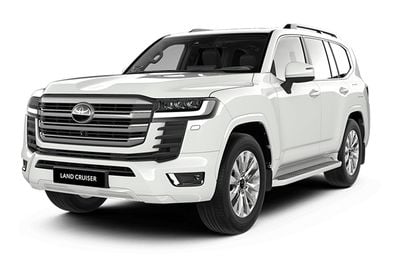 Toyota Land Cruiser239,900
 -
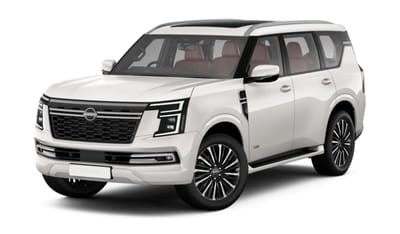 Nissan Patrol239,900
 -
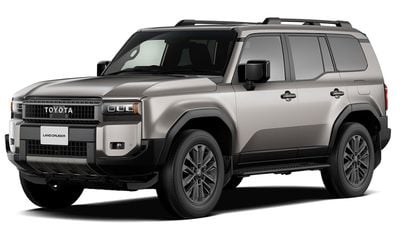 Toyota Prado199,900
 -
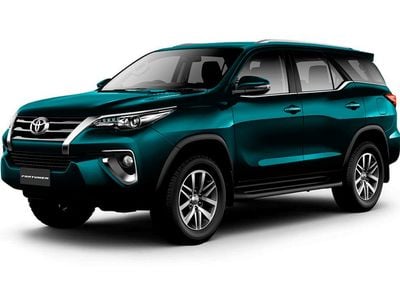 Toyota Fortuner128,900
 -
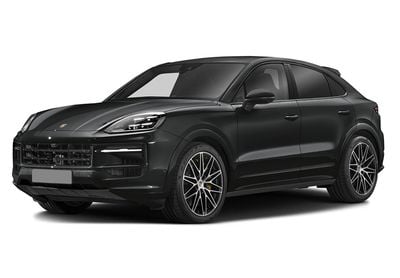 Porsche Cayenne390,300
 -
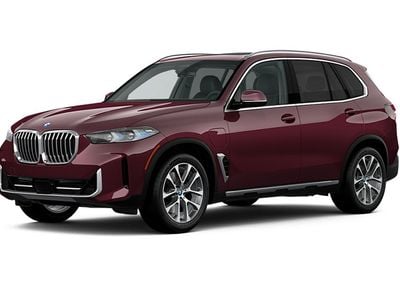 BMW X5427,000
 -
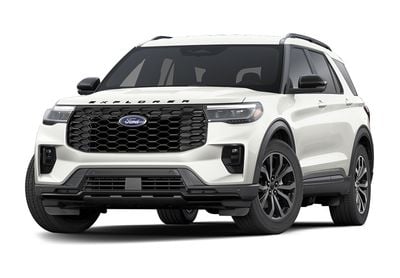 Ford Explorer205,695
 -
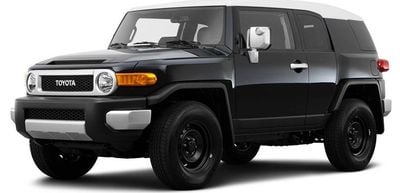 Toyota FJ Cruiser149,900
 -
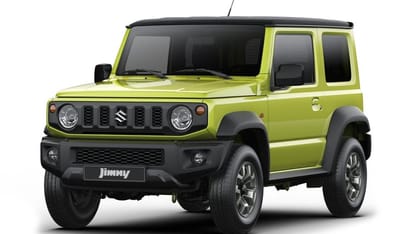 Suzuki Jimny70,000
 -
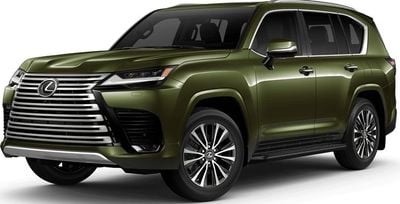 Lexus LX600490,000
 -
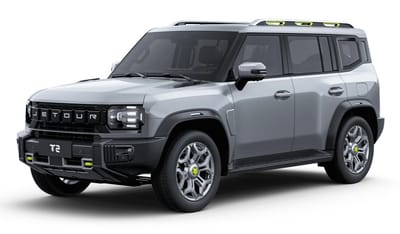 Jetour T2144,000
 -
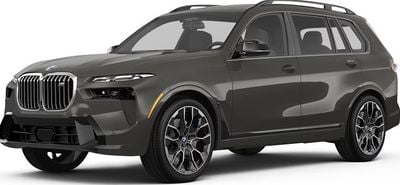 BMW X7505,000
 -
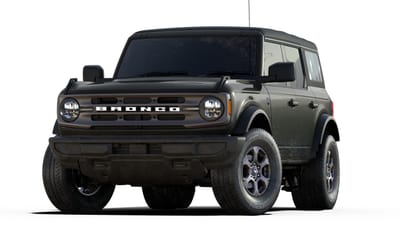 Ford Bronco193,500
 -
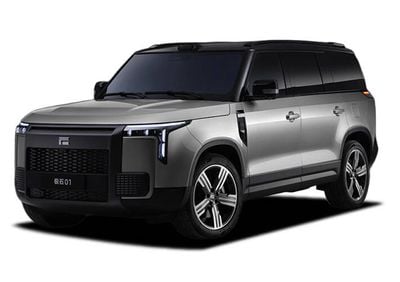 ROX 01265,000
 -
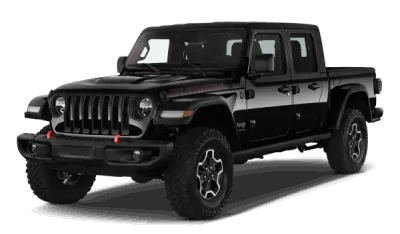 Jeep Gladiator199,900
Land Rover Defender car news
View All-
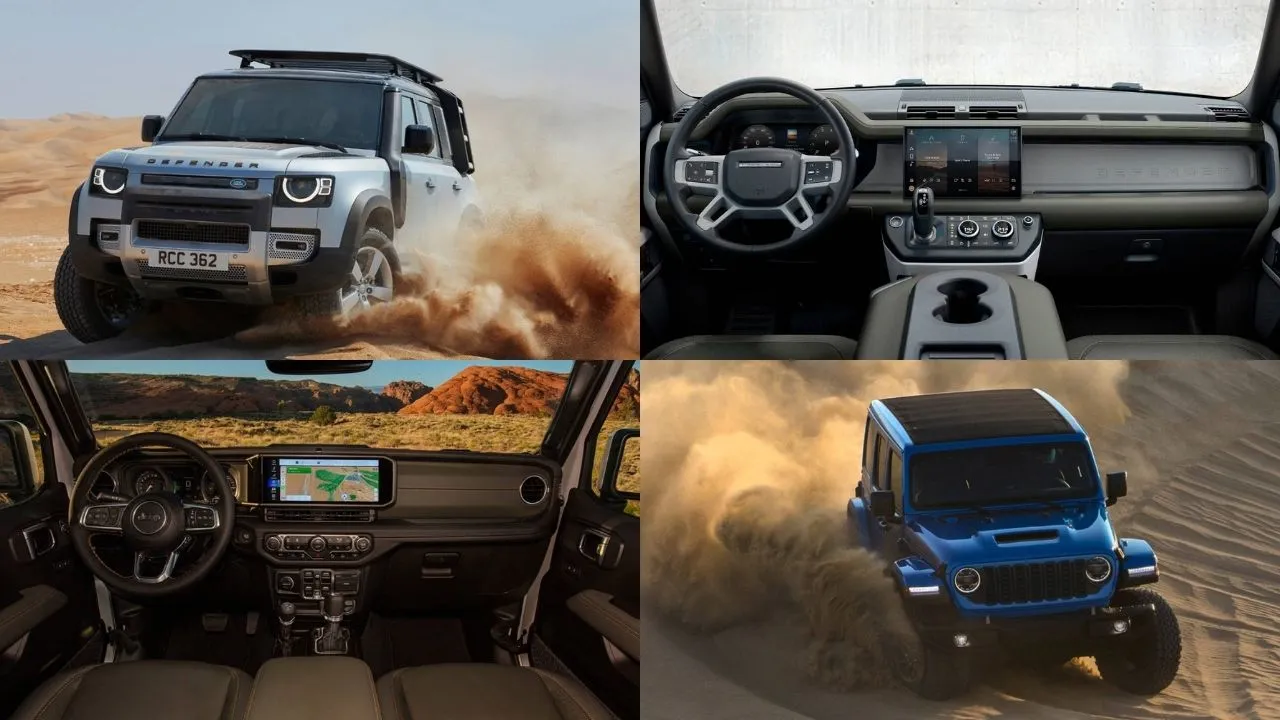 Jeep Wrangler vs Land Rover Defender: American Grit Vs British Capability
The Jeep Wrangler and Land Rover Defender are two of the most recognisable off-road SUVs on sale in the UAE. Both have strong heritage, serious capability and a loyal following among buyers who want more than a regular family SUV. AI Quick Summary The Jeep Wrangler and Land Rover Defender are both popular, highly capable off-road SUVs in the UAE, each with a strong heritage. However, they cater to different buyers: the Wrangler offers a raw, rugged, and adventure-focused experience with its...
May 11, 2026 -
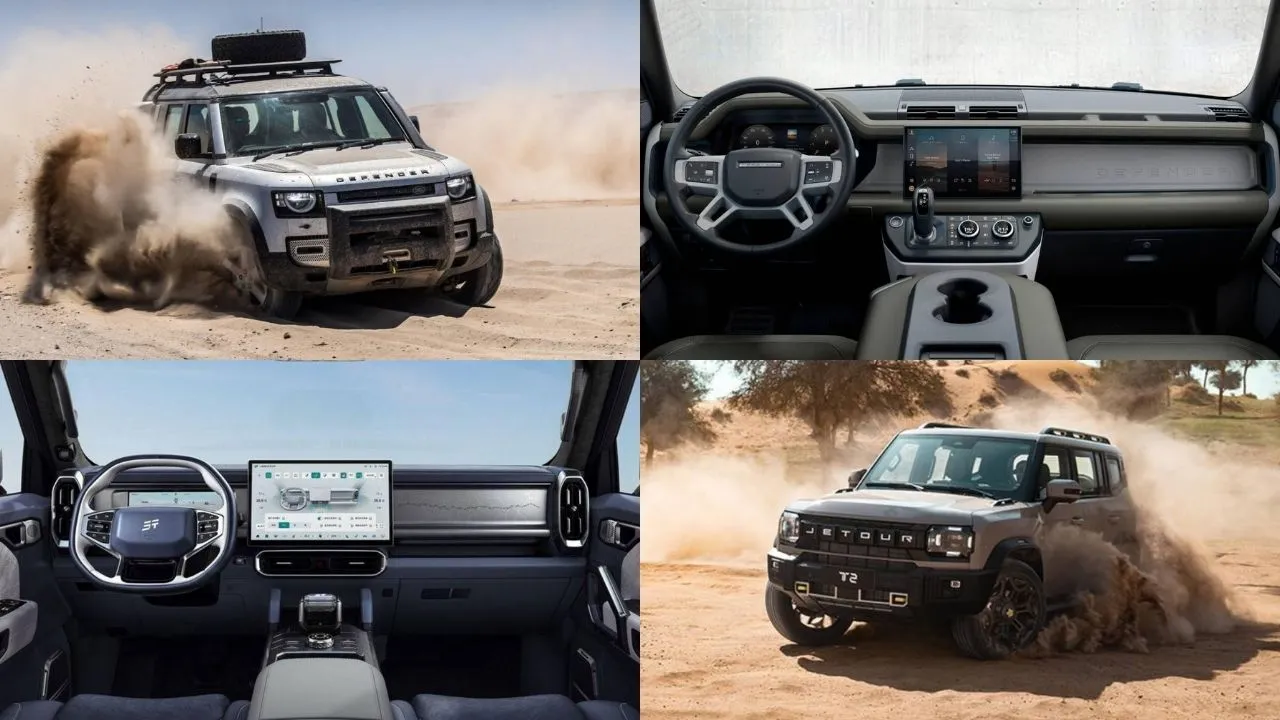 Jetour T2 vs Defender 110: UAE Buyers’ Ultimate Off-Road SUV Comparison
At first glance, the Jetour T2 and the Land Rover Defender 110 sit in completely different segments and price brackets. One carries a premium British badge with decades of off-road heritage, while the other is a newer Chinese entrant aiming to disrupt the segment with bold pricing and strong specifications. Yet, in the UAE, these two SUVs are increasingly being compared and cross-shopped. The reason is simple. They look quite similar, promise serious off-road ability, and appeal to buyers who w...
April 09, 2026 -
 Land Rover Defender & Land Rover Series History: Six Generations Of An Iconic SUV
It is among the most influential and iconic cars of all time. With over two million cars produced, it is quite popular too. Land Rover claims over 70% of them are still in working condition, and that is quite a feat given that it first went into production way back in 1948. It is said that the first vehicle ever seen by most tribes in remote areas across the world is a Land Rover Series I. The Defender is a continuation of the Land Rover Series. Initially named Land Rover Series I, II & II...
June 07, 2024
Defender FAQs
-
What is the price of Land Rover Defender in the UAE?
The price of a Land Rover Defender in the UAE is 237,600 - 677,390.
-
What is the fuel economy of Land Rover Defender?
The manufacturer suggested fuel economy of Land Rover Defender is 6 Km/L - 9 Km/L.
-
What are the trims of Land Rover Defender?
The trims for Land Rover Defender are 130 SE P400 X Dynamic (7 Seater), 90 SE (P300), 90 SE Base (P300), 110 HSE (P400), 90 X (P400), 110 X (P400), 90 HSE (P400), 90 V8 (P525), 110 V8 Carpathian Edition (P525) and 110 V8 (P525).
-
What is the top speed of Land Rover Defender?
The top speed of Land Rover Defender is 191 km/h - 240 km/h.
-
What is the Fuel Tank Capacity of Land Rover Defender?
The fuel tank capacity of Land Rover Defender is 89 L - 90 L.
-
Which car is better Land Rover Defender vs BMW X5?
Land Rover Defender Price in UAE starts at 237,600 and BMW X5 Price in UAE starts at 427,000. Check out a detailed comparison of Land Rover Defender vs BMW X5.
Explore more than 30,000 new & used cars for sale in uae from over 350 trusted dealerships.